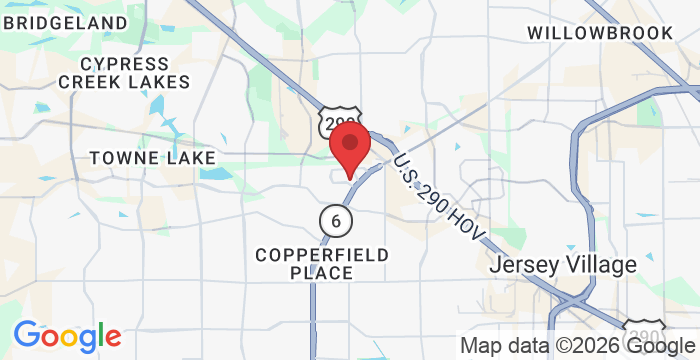
Serving Cypress, TX and Surrounding Areas


Pool Heater Repair and Installation in Houston, TX
The first cool front rolls through, you flip the heater on for the season — and nothing happens. Sometimes it's a five-minute fix at the equipment pad. Sometimes the heat exchanger has been quietly scaling up for years. Our technicians diagnose gas, propane, and heat pump systems and tell you honestly which one you're looking at.
Call (832) 524-1129 Request an Inspection
Signs Your Pool Heater Is Failing
- Fires, then shuts down: Short-cycling means the heater starts but can't sustain a safe run.
- Runs but never reaches setpoint: Classic sign of scale insulating the heat exchanger.
- Error code or no ignition: Pressure switch, igniter, gas valve, or control board fault.
- Rising gas bill, same swim schedule: The unit is working harder for the same result.
Why Heaters Struggle in Houston
- Hard water: Dissolved calcium plates onto hot exchanger surfaces season after season.
- Humidity and salt: Corrosion at burners, headers, and pad wiring accelerates here.
- Freeze events: Unprotected heaters crack in a single hard night — as 2021 proved metro-wide.
- Low flow goes unnoticed: A tired pump or clogged filter locks out an otherwise healthy heater.
Why is my pool heater not working?
Nearly every pool heater failure traces back to one of four causes:
- Low water flow. A dirty filter, a partially closed valve, or a weakening pump keeps the water pressure switch from closing — and the heater will not fire at all.
- Ignition fault. On gas units, a failed igniter, dirty flame sensor, or gas valve problem produces a lockout or an error code instead of heat.
- Thermostat or control board. The heater no longer reads water temperature correctly, so it either never calls for heat or never stops.
- Scale in the heat exchanger. Mineral buildup insulates the exchanger, so the unit runs long, heats poorly, and eventually trips on high limit.
Low flow is both the most common cause and the most frequently misdiagnosed. Before condemning a heater, a technician should verify flow, filter condition, and pump performance — a healthy heater locked out on a pressure switch looks identical to a dead one from the deck.
Houston's Hard Water Is What Actually Ends Most Pool Heaters
Brand matters less than water chemistry. Every gallon that passes through a heat exchanger carries dissolved calcium, and Houston's municipal supply carries a lot of it. When that water contacts the hottest surfaces inside the exchanger, some of the calcium comes out of solution and plates onto the metal. One season leaves a film. Several seasons of unbalanced water leave a layer thick enough to act as insulation.
The failure is gradual, which is why homeowners rarely catch it early. The heater still fires and still produces warm water — it just takes longer each year to get there. Run times stretch, gas consumption climbs, and eventually the unit starts tripping its high-limit safety because heat can no longer move efficiently from the burner side into the water. By that point the exchanger often can't be salvaged.
This is why regular pool maintenance pays for itself on any pool with a heater. Keeping calcium hardness, pH, and alkalinity in range is genuinely the highest-return thing a Houston pool owner can do to protect the most expensive piece of equipment on the pad. Chemistry that drifts scale-forming all summer costs far more in heater life than it ever does in chemicals.
Salt chlorine generators add a second consideration. Salt itself doesn't attack a properly specified heater, but the humid Gulf Coast air combined with salt aerosol around the pad accelerates corrosion on burner trays, bolts, headers, and electrical terminations. On heaters more than a few years old we frequently find the mechanical fault is fine and the real problem is a corroded connection.
Stop Resetting a Short-Cycling Heater
When a heater fires and then shuts down after a few minutes, a safety limit is doing exactly what it was designed to do — usually because of inadequate flow or an overheating exchanger. Repeatedly pressing reset forces ignition against that condition. What starts as a filter clean or a pressure switch replacement can turn into a cracked heat exchanger, which is the one failure that reliably ends a heater's life.
Five Reasons a Pool Heater Stops Producing Heat
1. The Water Pressure Switch Never Closes
Every pool heater has a safety that confirms adequate water flow before allowing the burner to light. If the filter is loaded, a valve is partly shut, the pump basket is packed, or the pump itself is losing performance, that switch stays open and the heater will not start. Homeowners often conclude the heater is dead when the actual fault is upstream at the filter or pump. This is always the first thing we verify — it's the cheapest possible outcome for you, and it's frequently the answer.
2. Ignition and Flame-Sensing Failures
Gas and propane heaters fail to light for a short list of reasons: a worn igniter, a flame sensor coated in residue, a gas valve that no longer opens reliably, or a control board that has lost the ignition sequence. These typically announce themselves with a specific error code on the display, and most are straightforward, affordable repairs on an otherwise healthy unit.
3. Thermostat and Control Board Faults
When the temperature sensor drifts or the board fails, the heater loses its ability to know what the water is actually doing. The symptom is either a unit that never calls for heat despite a cold pool, or one that runs continuously and overshoots. Both are usually repairable without touching the exchanger.
4. Scale Buildup Inside the Heat Exchanger
The slow killer described above. The tell is a heater that still works but underperforms — longer run times, higher gas usage, water that never quite reaches setpoint. Caught early, an exchanger can sometimes be chemically cleaned. Caught late, replacement is the honest recommendation.
5. Freeze and Corrosion Damage
Water left standing inside a heater during a hard freeze expands and splits the exchanger or header. The February 2021 event damaged equipment across the metro, and we still encounter heaters that were never properly repaired afterward — only bypassed. Separately, years of humid, salt-laden air at an outdoor equipment pad corrode burner assemblies and electrical connections to the point of intermittent failure.
Because so many of these faults live upstream of the heater itself, we approach a no-heat call as an equipment-pad diagnosis rather than a heater diagnosis. That same discipline applies across our pool repairs and equipment installations work — verify the system before condemning the component.
Gas or Heat Pump: What Actually Fits a Houston Pool
When a heater is beyond repair, the replacement question is less about brand than about how you actually use the pool. Houston's long warm season changes the math compared with colder markets, and the honest answer differs depending on whether you want the pool warm continuously or hot on short notice.
| Natural Gas / Propane | Electric Heat Pump | |
|---|---|---|
| How fast it heats | Quickly — hours, not days. Reaches setpoint regardless of outdoor temperature. | Slowly and steadily. Best when left to hold a temperature rather than raise it on demand. |
| Operating cost | Higher per degree of heat. Cost tracks natural gas prices. | Substantially lower per degree, because it moves existing heat rather than creating it. |
| Cold-weather behavior | Unaffected. Works on the coldest January night. | Loses capacity as air temperature falls toward the 50s and below. |
| Best fit in Houston | Spa use, occasional weekend heating, anyone who wants the pool hot on short notice. | Homeowners extending the swim season on both ends and holding a comfortable temperature for months. |
A practical middle path exists too: some Houston homeowners keep a gas heater for the spa and add a heat pump for the pool body, so each system does what it does well. Whichever direction you go, sizing matters more than most homeowners expect — an undersized unit runs constantly and never satisfies, while an oversized one short-cycles.
For an independent breakdown of how pool heating systems compare on efficiency and operating cost, the U.S. Department of Energy pool heating guidelines are a useful starting point before you talk to any contractor, including us.
"A Copperfield homeowner called us convinced their heater had died — no ignition at all. It had been six years since the pool got any real chemistry attention. The heater was fine. The filter was so loaded the pressure switch never closed, and the pump was pushing a fraction of its rated flow. We cleaned the filter, serviced the pump, and the heater fired on the first try. We did find early scale in the exchanger and flagged it, so they know what they're managing going forward instead of finding out on the coldest weekend of the year."
Repair or Replace? The Line Usually Falls at the Heat Exchanger
Homeowners ask this on nearly every call, and there is a defensible rule of thumb.
Repair generally makes sense when the heat exchanger is sound and the failure is a thermostat, igniter, flame sensor, pressure switch, gas valve, control board, or corroded connection. These are component-level repairs on a unit with service life remaining, and the cost is a fraction of replacement.
Replacement generally makes sense when the exchanger itself has failed from scale, corrosion, or freeze damage. An exchanger is the single most expensive part of the heater, and putting one into an aging unit means investing heavily in equipment whose remaining components are on the same clock. Past roughly ten to twelve years of service, we present both paths with real numbers rather than assuming repair is the right answer.
What we won't do is recommend a new heater on a unit that doesn't need one. A meaningful share of the no-heat calls we run end with a filter, a pump, or a switch — not a sale.
What to Expect When You Call Boardwalk Pools
No pressure to decide on the spot, and no diagnosis by guesswork. Here's how a heater call runs from first contact to verified heat.
- Call or request online. Reach us at (832) 524-1129 or use the form below. We'll ask what the heater is doing — no ignition, short-cycling, running but not heating, or throwing a specific code — so the technician arrives with the right parts on the truck.
- Full equipment-pad diagnosis. The technician checks flow, filter condition, pump performance, and valve positions before opening the heater. Then gas supply and pressure, ignition components, sensors, the pressure switch, wiring, and the heat exchanger.
- Clear findings, clear quote. You get told what failed, why it failed, and what the repair involves — including whether the underlying cause is chemistry or flow rather than the heater itself. If replacement is the honest recommendation, you'll hear the reasoning and the alternative.
- Repair and verify. After approval, we complete the repair and run the heater through a full cycle to confirm it reaches and holds setpoint before we leave.
Pool Heater Service Across Northwest Houston
We come to you. Same crew, same standards, across every community we serve.
Pool Heater Repair FAQ
Cold Pool and a Heater That Won't Cooperate?
Get an honest diagnosis before the first cool front — not during it. Most no-heat calls are simpler and cheaper than homeowners expect.
Call (832) 524-1129"Serving Houston with over 20 years of custom pool experience."
Get in Touch
Ready to experience the Boardwalk Pools difference? Contact us today for a free quote or to schedule service.
Business Hours
Mon - Fri: 7am to 5pm
Sat Closed
Sun Closed