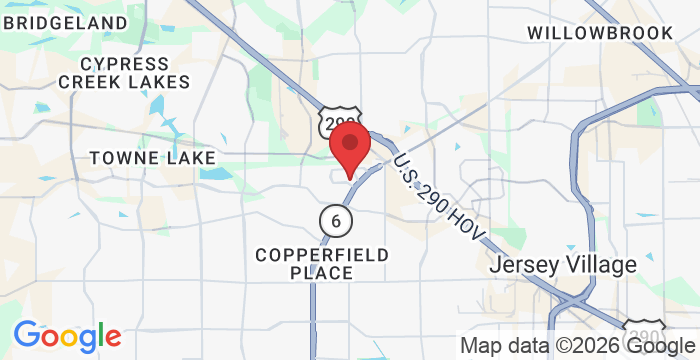
Serving Cypress, TX and Surrounding Areas


Find & Fix Your Pool Leak in Houston, TX
Most Houston homeowners chalk it up to summer heat. But when the water keeps dropping — overnight, with the auto-fill running — you have a leak. We use electronic, pressure, and dye testing to find exactly where it's going before we recommend a single repair.
Call (832) 524-1129 Request an Inspection
Warning Signs of a Pool Leak
- Overnight water loss: Evaporation stops after sundown — drops that continue overnight are a leak.
- Auto-fill running constantly: A valve that never shuts off is masking how much water you're losing.
- Wet ground near equipment pad: Soggy spots in dry weather point to a broken underground line.
Why Act Fast in Houston
- Clay soil amplifies damage: Houston's Beaumont Clay holds water for weeks, causing deck and shell movement.
- Foundation risk: Leaks within 20 feet of your slab can cause costly differential settling.
- Early fix = fraction of the cost: A $300–$600 repair today can prevent $5,000+ in structural damage.
Is your pool leaking — or just evaporating in the Houston heat?
Run the bucket test: fill a 5-gallon bucket with pool water, place it on a pool step half-submerged, and mark both the water level inside the bucket and the pool's waterline on the outside. Check after 24 hours. Houston summer heat evaporates roughly ¼ to ½ inch per day. If the pool dropped meaningfully more than the bucket, you have a leak.
Signs that go beyond normal evaporation: water loss that continues overnight when evaporation is near zero, an auto-fill valve that never shuts off, wet or soggy ground near your equipment pad, visible cracks in the shell or coping, or chemistry that won't stay balanced despite regular treatment. Any one of these warrants a professional inspection.
Why Houston Pools Are More Vulnerable to Leaks
Houston doesn't just get hot — it sits on Beaumont Clay, one of the most expansive soil types in North America. That clay swells when it absorbs water and contracts sharply during the dry summer months. Over time, this movement cracks gunite shells at the waterline tile, stresses skimmer connections, and fractures underground plumbing lines. Pools in Katy, Cypress, and Copperfield — where the clay content is particularly high along the northwest Houston corridor — see more structural shell cracks and fitting failures than pools in sandier Gulf Coast soils.
The 2021 freeze made things worse. Across the metro, unprotected underground plumbing lines cracked — and many of those failures are still being found years later, identified only after the homeowner finally investigates a slow, persistent water loss they'd been dismissing as evaporation.
According to the Harris County Flood Control District, expansive clay underlies much of Greater Houston. Unlike sandy soils that drain quickly and stabilize, clay holds water for weeks — meaning a leaking pool saturates the surrounding ground long after any rainfall would have drained away. That prolonged saturation is what causes ground movement, cracked coping, sunken decks, and structural stress on the shell itself.
Don't Let the Auto-Fill Hide the Problem
The most common scenario we see: a homeowner's auto-fill valve has been compensating for a slow leak for 6 to 18 months. By the time they call us, the soil around the skimmer has already moved — and what would have been a straightforward fitting repair now involves a cracked skimmer neck and secondary coping damage. A fix that costs a few hundred dollars early becomes $1,500 to $3,000+ after a full Houston summer of undetected leaking.
6 Signs Your Houston Pool Is Leaking
1. Water Loss That Continues Overnight
Evaporation requires two things: heat and sunlight. After sundown, evaporation drops to near zero. If your pool is still losing water between 10pm and 6am — even with the pump off and overnight temperatures in the 70s — that's a structural or plumbing leak, not Texas heat doing its work.
2. An Auto-Fill Valve That Runs More Than 20 Minutes a Day
An auto-fill that cycles on constantly is masking how much you're actually losing. We've seen Cypress homeowners lose 200 or more gallons a week without noticing because the waterline stayed visually steady. If your auto-fill runs more than two or three short cycles per day in summer, treat it as a flag worth investigating.
3. Soft or Soggy Ground Near the Equipment Pad
Houston's clay holds water for days after rain has stopped. Persistent wet spots near your pool equipment pad or return lines — even during extended dry spells — usually indicate a broken underground plumbing line. The wet area may not be directly above the break, since water travels along the path of least resistance through the soil before surfacing.
4. Cracks in the Shell, Tile Line, or Coping
Gunite pools in northwest Houston commonly develop hairline cracks at the waterline tile or skimmer throat from the clay soil's seasonal expansion and contraction. These cracks are direct leak entry points and tend to widen over time if left untreated. A crack that passes 1/16 of an inch wide is actively pulling water through the shell with every inch of head pressure.
5. Chemistry That Won't Stay Balanced
If you're adding chlorine, alkalinity, or stabilizer significantly more than your normal routine calls for, fresh water may be entering your pool through a leak — diluting your treatment chemistry as fast as you add it. Constant pH and alkalinity swing is a subtler sign; many homeowners attribute it to bather load or weather before identifying the actual cause.
6. Deck Cracking or Sinking Around the Pool
A slow leak gradually saturates the soil beneath your deck. In Fairfield and Bridgeland — where the clay has already moved through multiple prior drought cycles — this produces visible deck cracking, unlevel sections, or gaps where the deck meets the pool coping. By the time you can see the deck movement, the leak has been running long enough to have caused meaningful soil displacement.
Do the Bucket Test Before You Call
You can do a reliable first check at home in 24 hours. It separates a real leak from normal summer evaporation — and tells you how urgent the situation is before you schedule an inspection. You'll need a 5-gallon bucket and 24 hours. Run the pump on its normal schedule during the test — don't change anything about your routine.
- Fill a bucket with pool water and place it on the first or second pool step, so the bucket is partially submerged in the pool water.
- Mark the water level inside the bucket with a piece of tape or a permanent marker line.
- Mark the pool's waterline on the outside of the bucket — or directly on the pool wall at the current waterline.
- Let both sit for exactly 24 hours. Do not add any water to the pool during the test period.
- After 24 hours, compare how much each dropped. Both should have fallen by a similar amount from evaporation.
- If the pool waterline dropped meaningfully more than the bucket level, you have a leak. Call us at (832) 524-1129.
One note on interpretation: if both levels dropped by the same amount, evaporation is the cause and you don't have an active structural or plumbing leak. If the pool dropped significantly more — especially if the difference is 3/8 inch or greater — you have a confirmed leak and should schedule an inspection. In Houston's hottest months, even a confirmed leak of 1/4 inch per day beyond evaporation represents roughly 400 gallons per week of water loss in a standard 15,000-gallon pool.
How We Find Pool Leaks in Houston
We never guess at a leak location and recommend a repair. Every inspection starts with a full visual check, and we then apply the right testing method — or combination of methods — for what your pool's symptoms suggest. You only pay to fix what's actually leaking.
Electronic Listening Equipment
Professional acoustic detection equipment lets our technicians hear water escaping underground plumbing lines without any excavation. By listening for the distinctive sound signature of pressurized water escaping a crack or joint, we can pinpoint the breach location to within a few inches. This is our first-choice method for buried line leaks under pool decks in Cypress and Katy, where plumbing commonly runs 12 to 24 inches beneath concrete. Non-invasive: we identify the location before any digging begins.
Pressure Testing Each Plumbing Line
We isolate and pressure-test your return lines, suction lines, and main drain individually by plugging each line and applying measured air pressure. Any line that can't hold a steady pressure reading has a breach somewhere in its run. This method confirms exactly which line is leaking before any repair is recommended — and prevents unnecessary excavation on lines that test clean. It's especially important after Houston freeze events, which can crack multiple plumbing lines in a single night, and we need to know which ones are affected before we recommend a repair scope.
Dye Testing for Shell and Fitting Leaks
We inject a non-staining dye near suspected cracks, light niches, fittings, or skimmer connections. The dye makes water movement visible — showing us exactly where pool water is passing through the shell. This method catches leaks that are too slow or too small to produce an acoustic signal, like a slow seep at a light niche conduit, a hairline crack in the gunite that only leaks under hydrostatic pressure, or a marginal fitting failure that loses half a gallon a day rather than running continuously.
"We had a Bridgeland homeowner who'd been adding water every three days for two years — they thought it was evaporation and splash-out from their kids. The bucket test showed the pool was losing almost an inch a day beyond what the bucket lost. Pressure testing found a failed skimmer-to-shell connection on the suction side — the fitting had cracked from soil movement. The repair took about four hours. They'd been overworking their pump and overdosing chemicals for two full summers over a repair that cost less than a month of extra chemical bills."
What to Expect When You Call Boardwalk Pools
No surprises, no pressure to decide on the spot. Here's exactly what happens from your first contact to a confirmed repair.
Step 1: Call or Request Online
Call (832) 524-1129 or use the form below. We'll confirm your location and schedule an appointment — typically within one to three business days depending on our current schedule. We'll ask a few quick questions about what you're seeing to help us bring the right equipment.
Step 2: On-Site Detection
Our technician arrives and runs a full visual inspection first — shell, coping, tile line, skimmer boxes, return fittings, main drain, and the deck surface around the perimeter. Many leaks show visible indicators before we even begin testing: staining patterns, efflorescence (white mineral deposits), coping movement, or wet deck sections. From there, we apply the appropriate detection method or combination of methods for your pool's specific situation. We take the time needed — we don't cut appointments short.
Step 3: Clear Findings and a Repair Quote
Once we've located the leak, we walk you through exactly what we found, where it is, why it happened, and what the repair involves. A repair estimate is included at no extra charge — you don't need to schedule a separate visit or pay for a second call. There's no pressure to approve the repair on the same day, though most homeowners choose to proceed once they understand what's happening.
Step 4: Repair and Verify
After you approve the repair, we fix the leak using the right method for that specific failure type. Common repairs include epoxy injection for active shell cracks, hydraulic cement for leaks at penetrations, skimmer and fitting replacement for failed connections, and plumbing line repair or rerouting for underground breaks. Before we leave, we verify the fix is holding and confirm the pool's water level is stable.
Pool Leak Detection Across Northwest Houston
We come to you — no equipment transport required. We serve all surrounding communities.
Pool Leak Detection FAQ
Suspect a Leak? Don't Let It Wait Through a Houston Summer.
In Houston's clay soil, a slow leak compounds quickly. Early detection saves thousands — and your pool deck.
Call (832) 524-1129"Serving Houston with over 20 years of custom pool experience."
Ready to experience the Boardwalk Pools difference? Contact us today to schedule leak detection.
Get in Touch
Ready to experience the Boardwalk Pools difference? Contact us today for a free quote or to schedule service.
Business Hours
Mon - Fri: 7am to 5pm
Sat Closed
Sun Closed