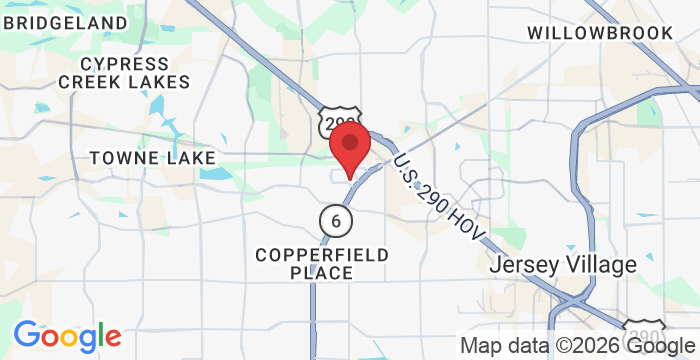
Serving Cypress, TX and Surrounding Areas


Green Pool Cleanup and Algae Treatment in Houston, TX
Did your pool turn green while you were busy, away, or after a storm? You are not stuck with it. We test the water, kill the algae, clean it out of the pool and the filter, and balance the water so you can swim again.
Call (832) 524-1129 Get Help With a Green Pool
Signs Your Pool Needs a Cleanup
- Green or cloudy water: Any tint of green means algae is growing.
- You cannot see the floor: Murky water hides the drain and the deep end.
- Slick walls or steps: Algae often coats surfaces before the water turns.
- Bugs and larvae: Still, green water is where mosquitoes lay eggs.
Why Houston Pools Turn Fast
- Heat: Warm water uses up chlorine faster and helps algae grow.
- Strong sun: Sunlight breaks chlorine down quickly without stabilizer.
- Heavy rain: Storms dilute chlorine and wash in dirt and debris.
- Equipment trouble: A stopped pump or clogged filter lets water sit still.
Why is my pool green?
A green pool is an algae bloom. It almost always comes from one of three things:
- Low chlorine. There is not enough sanitizer left to kill algae as it starts.
- Poor circulation. The pump is off, runs too few hours, or the filter is clogged.
- An algae bloom that got a head start. Heat, sun, rain, and leaves feed it.
The fix has three parts. First, test the water and raise the chlorine to kill the algae. Second, brush, filter, and vacuum the dead algae out. Third, balance the water and fix whatever let it happen.
Want us to take care of it? Call (832) 524-1129 or send us a message.
Green Water Means the Chlorine Lost the Race
Chlorine and algae are always in a race. Algae spores blow in with wind, rain, and leaves every day. Chlorine kills them as they land. When chlorine drops too low, the algae wins.
The CDC recommends keeping free chlorine at 1 part per million or higher in a pool. If the pool uses stabilizer, the CDC recommends at least 2 parts per million. It also recommends keeping pH between 7.0 and 7.8. You can read the full guidance on the CDC healthy swimming site.
When pH climbs above that range, chlorine works more slowly. So a pool can show some chlorine on a test strip and still turn green. That is why we test the whole picture, not just one number.
Why Green Pools Are So Common in Houston
Our climate is hard on pool water. The most common cause we see around here is low chlorine combined with Houston heat. Summer days stay hot, and warm water burns through chlorine. Sunlight breaks down chlorine that is not protected by stabilizer. A big storm can dump inches of rain into the pool in an afternoon. That rain dilutes the chlorine and carries in dirt, pollen, and leaves.
Put those together and a pool can go from clear to cloudy to green in a short time. It happens to careful owners too. A missed week of service, a vacation, or a dirty filter is often all it takes. So is a pump that runs too few hours or quietly stopped. An equipment problem can turn even a well-kept pool green fast.
Vacant Homes and Home Sales
Pools at empty houses are especially at risk. Nobody is there to notice the pump tripped or the chlorine ran out. If you are selling, buying, or renting out a home with a pool, a green pool is worth fixing before anyone walks the backyard.
We offer one-time green pool cleanups for homeowners, home sellers, realtors, and rental properties. You do not need to be on weekly service. We look at the pool and equipment first and give you a price before we start. Jobs are scheduled based on availability in our service area.
A Green Pool Is a Mosquito Problem, Too
Still, green water is a perfect place for mosquitoes to breed. Public health officials in San Luis Obispo County, California put numbers on it. They report that neglected pools can breed thousands of mosquitoes. They also report that eggs can become flying, biting adults in as little as 7 to 10 days. Read the county's neglected pool guidance.
Mosquitoes can carry West Nile virus. A green pool is not just your problem. It is your neighbors' problem too. That is a good reason to treat it as soon as you see it.
Do Not Swim in a Green Pool
If you cannot see the floor, you cannot see the main drain or someone who slips under. Keep everyone out until the water is clear and the chemistry is back in range.
How We Clean Up a Green Pool
Every green pool is a little different. The steps below are how the job runs.
- We test the water. We check chlorine, pH, alkalinity, stabilizer, and calcium. The numbers tell us how much treatment the pool needs and what caused the bloom.
- We clear out debris. Leaves and sticks feed algae and use up chlorine. We skim the surface and empty the baskets first.
- We check the equipment. The pump has to run and the filter has to move water, or nothing else works. Problems get flagged before treatment starts.
- We shock the pool. We raise the chlorine high enough to kill the algae. pH is set first, so the chlorine can do its job.
- We brush every surface. Brushing breaks up algae on the walls, floor, and steps so the chlorine can reach it.
- We filter and vacuum. Dead algae turns the water gray or cloudy. The filter catches it, and we vacuum what settles. The filter gets cleaned along the way, because it fills up fast.
- We balance and retest. Once the water clears, we bring every reading back into range. Then we tell you what caused it and how to keep it from coming back.
If the pump, filter, or plumbing is part of the problem, our pool equipment repairs team can fix it on the same job.
How Long Does a Green Pool Take to Clear?
Most green pools clear in 2 to 5 days, with 2 to 4 visits from our team. The exact time depends on three things:
- How green it is. A light tint clears faster than a pool you cannot see into.
- How much debris is in it. Leaves and sludge on the floor take extra work to remove.
- How well the equipment works. A healthy pump and filter speed up every step.
A pool that has been neglected for a long time can take longer. We look at the pool first, so you get a realistic timeline before we start.
Common Mistakes That Keep a Pool Green
Trying to fix a green pool yourself? These steps are easy to skip, and each one can keep the water green.
- Shocking without fixing pH. High pH makes chlorine work slowly. The shock gets used up before the algae is gone.
- Skipping the brush. Algae clings to walls and steps. Chlorine alone has a hard time reaching it.
- Turning the pump off. The pump moves treated water through the pool and dead algae into the filter. It needs to run.
- Ignoring the filter. A filter loaded with dead algae stops filtering. It needs cleaning during a cleanup, not after.
- Stopping too soon. Water that looks clear can still hold algae. Testing tells you when it is really done.
When Green Water Points to a Bigger Problem
Sometimes the algae is a symptom. If a pool keeps turning green, something else is usually going on.
The Pump or Filter Is Not Keeping Up
Water that does not move turns green. A pump that hums but will not start, or one that shuts off on its own, needs a look. Our pool pump repair page covers the common causes.
You Are Adding Water All the Time
Fresh water dilutes chlorine and throws off the balance. If you top off the pool every few days, you may have a leak. Our pool leak detection service can find it.
Your Salt System Stopped Making Enough Chlorine
A salt pool can turn green too. A scaled cell, low salt, or low flow can cut chlorine output. See our salt water pool systems page for what to watch for.
Keep It From Coming Back
Getting the water clear is only the first step. Steady care keeps it that way. That means the right chlorine level, balanced water, a clean filter, and a pump that runs long enough each day. Skim out debris often, and get any equipment problem fixed.
The CDC suggests testing chlorine and pH often, and more often when the pool sees heavy use. If you would rather not keep up with it, our weekly pool cleaning service handles testing, balancing, brushing, and baskets on a set schedule.
Keep up regular care through the winter, too. It protects the water and the pool surface during the off season.
About Boardwalk Pools
- Family owned, with over 20 years of pool experience in the Houston area.
- Voted 2026 Best of Cy-Fair Pool Builder in Living Magazine's Readers' Choice Awards.
- Featured in the April 2025 issue of Pool Nation Magazine.
- We clean, service, repair, and build pools, so one team can handle it from cleanup to weekly care.
Green Pool Cleanup Across Northwest Houston
We come to you. Same crew, same standards, across every community we serve.
Green Pool Cleanup FAQ
Ready to See the Bottom of Your Pool Again?
Tell us what the water looks like. We will test it, treat it, and tell you what caused it.
Call (832) 524-1129"Serving Houston with over 20 years of custom pool experience."
Get in Touch
Ready to experience the Boardwalk Pools difference? Contact us today for a free quote or to schedule service.
Business Hours
Mon - Fri: 7am to 5pm
Sat Closed
Sun Closed